Discover the best embroidered hoodie fabrics: GSM, fleece & blends for ultimate comfort! Request your free sample today! embroidered h...
Discover the best embroidered hoodie fabrics: GSM, fleece & blends for ultimate comfort! Request your free sample today!
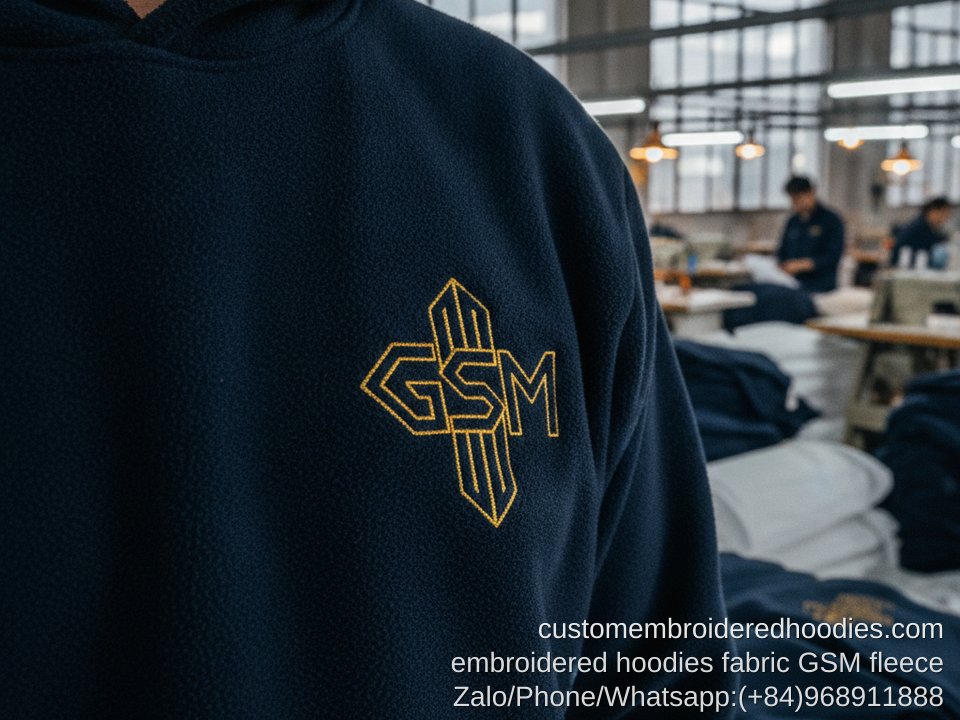
embroidered hoodies Fabric Guide: GSM, Fleece Types, Cotton & Performance Blends
Selecting the right fabric is paramount when sourcing embroidered hoodies for your brand. The feel, drape, durability, and overall quality of your finished product are directly influenced by the materials used. Understanding fabric weight, specifically GSM, and the nuances of different fleece types, cotton variations, and performance blends will empower you to make informed decisions. This comprehensive guide will delve into the critical factors that define hoodie fabric, helping you achieve the perfect balance of comfort, style, and functionality for your custom apparel line.
At Custom Embroidered Hoodies, a brand of Gold Garment based in Ho Chi Minh City, Vietnam, we pride ourselves on offering factory-direct pricing and unparalleled quality for bulk orders. Our expertise spans a wide array of fabrics, ensuring we can meet diverse client needs. For businesses keen on understanding the foundational elements of their custom apparel, a deeper dive into fabric characteristics is essential. This knowledge is crucial for everything from initial design to final product satisfaction, as illustrated by our detailed approach to Vietnam textile sourcing.
Understanding GSM: The Cornerstone of Hoodie Fabric Weight
GSM, or grams per square meter, is the standard unit of measurement for fabric weight. It indicates how much a square meter of fabric weighs. For embroidered hoodies, GSM is a critical metric that directly correlates to the hoodie's thickness, warmth, and perceived quality. A higher GSM generally means a heavier, denser, and warmer fabric, while a lower GSM indicates a lighter, more breathable material.
Common GSM Ranges for Hoodies
- 180-250 GSM: These are considered lightweight fabrics. They are ideal for transitional weather, warmer climates, or for layering. They offer breathability and a less bulky feel, suitable for lighter styles or promotional items.
- 250-320 GSM: This is the sweet spot for most mid-weight hoodies. It provides a good balance of warmth, comfort, and durability, making it a versatile choice for everyday wear and promotional merchandise. This range is popular for its substantial feel without being overly heavy.
- 320+ GSM: These are heavyweight fabrics, offering maximum warmth and a premium, substantial feel. They are perfect for cold weather, outdoor activities, or brands aiming for a luxurious, robust aesthetic. These fabrics can also better support intricate embroidery.
When discussing hoodie GSM guide, it's important to consider the intended use of the hoodie. A sports team might prefer a lighter GSM for activewear, while a brand targeting a winter collection would opt for a higher GSM. Understanding this metric is your first step in ensuring the final product aligns with your brand's vision and your customers' expectations.
Exploring Hoodie Fleece Types: The Heart of Comfort
Fleece is the most common fabric used in embroidered hoodies, prized for its softness, warmth, and insulating properties. However, not all fleece is created equal. The type of fleece significantly impacts the feel, performance, and appearance of the hoodie. Understanding the differences between common fleece types is crucial for making the right fabric choice.
Types of Fleece
- 100% Cotton Fleece: This is a natural fiber fleece, known for its breathability and softness against the skin. It's a popular choice for its comfort and ability to absorb moisture. However, 100% cotton can sometimes be prone to shrinking and may take longer to dry compared to synthetic blends.
- Polyester Fleece: This synthetic option is highly durable, resistant to wrinkles, and dries quickly. It offers excellent warmth and is often used in performance wear. However, it can sometimes feel less breathable than cotton and may not offer the same natural softness.
- Cotton-Polyester Blends: These blends offer a synergistic combination of the best properties of both cotton and polyester. They provide a good balance of softness, breathability, durability, and quick-drying capabilities. The exact ratio of cotton to polyester can be adjusted to fine-tune the fabric's characteristics, making them a highly versatile choice for custom embroidered hoodies.
- Sherpa Fleece: This is a type of polyester fleece designed to mimic the look and feel of sheepskin. It's exceptionally warm and soft, often used for linings or as the primary fabric for exceptionally cozy hoodies. Its plush texture makes it a premium option for colder climates.
- Microfleece: A very fine and lightweight polyester fleece. It's known for its softness, warmth without bulk, and excellent wicking properties, making it suitable for activewear or as a lining.
When considering fleece vs cotton embroidered hoodies, the decision often hinges on the desired feel, performance needs, and care requirements. A 100% cotton fleece offers a natural, breathable comfort, while a cotton-poly blend provides enhanced durability and quicker drying times.
Cotton vs. Performance Blends: A Deep Dive
While fleece is dominant, understanding the nuances between pure cotton and performance blends is vital for specific applications. The choice between these can significantly impact the functionality and longevity of your custom apparel.
100% Cotton
Cotton is a natural, hypoallergenic fiber renowned for its softness, breathability, and comfort. It's a fantastic choice for casual wear, everyday hoodies, and brands that emphasize natural materials. Cotton embroidered hoodies are generally easy to care for and provide excellent comfort against the skin. However, cotton can absorb moisture and may take longer to dry, which can be a drawback for athletic or highly active use.
Performance Blends
Performance blends typically incorporate synthetic fibers like polyester, spandex, or nylon, often blended with cotton. These materials are engineered to enhance specific properties:
- Moisture-Wicking: Synthetic fibers are excellent at drawing sweat away from the body to the fabric's surface, where it can evaporate quickly. This keeps the wearer dry and comfortable during physical activity.
- Durability & Shape Retention: Blends often offer superior resistance to stretching, shrinking, and abrasion compared to pure cotton. They maintain their shape and structure through frequent washing and wear.
- Stretch & Flexibility: The inclusion of spandex or elastane provides added stretch, allowing for greater freedom of movement. This is crucial for athletic apparel and active lifestyles.
- Quick Drying: Synthetic components significantly reduce drying time, a major advantage for active individuals or in humid environments.
For brands looking to create activewear or apparel designed for demanding conditions, exploring performance fabric hoodies Vietnam offers is a strategic move. These advanced blends ensure your custom hoodies are not only stylish but also highly functional. As a leading custom hoodie manufacturer Vietnam, Gold Garment has extensive experience working with a variety of performance blends to meet the specific needs of our international clients. custom hoodie manufacturer Vietnam.
Other Fabric Considerations for Embroidered Hoodies
Beyond GSM and primary fiber types, other fabric characteristics contribute to the overall quality and suitability of your embroidered hoodies. These include fabric construction, finishing treatments, and blends designed for specific aesthetics or functionalities.
Fabric Construction
- French Terry: This is a loop-knit fabric, often made from cotton or a blend. It has a smooth face and a looped interior, making it lighter and more breathable than brushed fleece. It's excellent for transitional weather and has a distinctively comfortable, casual feel.
- Brushed Fleece: This is the most common type of fleece for hoodies. One side is smooth, while the other is napped or brushed to create a soft, fuzzy surface that traps air for warmth. This is what gives most hoodies their characteristic cozy feel.
- Ribbed Cuffs and Hem: While not a fabric type, the material used for cuffs and hems (often a cotton-spandex blend) significantly impacts the fit and durability. A good quality ribbing ensures a snug fit and prevents stretching out over time.
Finishing Treatments
Various treatments can be applied to fabrics to enhance their properties:
- Garment Dyeing: This process dyes the finished garment, resulting in richer, more unique color variations and a softer feel.
- Enzyme Washes: These washes use enzymes to break down the surface fibers, creating a softer hand feel and a slightly faded, vintage look.
- Anti-pilling Treatments: Applied to synthetic or blended fabrics, these treatments reduce the formation of small balls of fiber on the surface, maintaining a smoother appearance over time.
When you partner with us for your custom apparel needs, you gain access to our extensive knowledge base regarding fabric choices and manufacturing processes. This is crucial for brands seeking to understand the intricacies of their production, as detailed in our guide on How embroidered hoodies Are Made: Complete Manufacturing Process Step-by-Step.
Choosing the Right Fabric for Your Brand
The ideal fabric for your embroidered hoodies depends entirely on your brand's identity, target audience, and the intended use of the apparel. Consider these questions:
- What is the primary function of the hoodie? (e.g., casual wear, activewear, promotional item, workwear)
- What is the climate in which the hoodie will be worn? (e.g., cold weather, mild climate)
- What is the desired aesthetic and feel? (e.g., soft and cozy, sleek and modern, rugged and durable)
- What is your budget? (Different fabrics and constructions have varying costs.)
- Are there specific performance requirements? (e.g., moisture-wicking, stretch, breathability)
Our team at Custom Embroidered Hoodies, operated by Gold Garment in Ho Chi Minh City, Vietnam, is equipped to guide you through these decisions. We offer factory-direct pricing for our MOQ 100 pcs and provide samples to ensure you are completely satisfied with your fabric selection. Whether you're looking for classic cotton comfort or advanced performance blends, we have the expertise and resources to deliver. Brands also often partner with a custom cap manufacturer Vietnam for complementary headwear, ensuring a cohesive brand image.
Frequently Asked Questions
Q: What is the most common GSM for everyday hoodies?
A: The most common GSM range for everyday, versatile hoodies is typically between 250-320 GSM. This weight provides a substantial feel, good warmth, and excellent durability without being excessively heavy, making it suitable for a wide range of climates and uses.
Q: How does fabric choice affect embroidery quality?
A: Tighter weaves and heavier fabrics, like higher GSM fleece or dense cotton blends, generally provide a more stable base for embroidery, leading to cleaner, more defined stitch work. Very thin or loosely woven fabrics can sometimes distort under the tension of embroidery needles, so fabric weight and density are important considerations for detailed designs.
Q: Can I order a mix of fabric types for my order?
A: Yes, at Custom Embroidered Hoodies, we accommodate diverse orders. While there might be specific considerations for different fabric types within a single production run, especially concerning dyeing and finishing, we work with clients to fulfill requests for various fabric options, as detailed in our OEM vs Private Label embroidered hoodies Manufacturing: Which Model Suits Your Brand? guide.
Q: What is the difference between brushed and unbrushed fleece?
A: Brushed fleece has one side that has been mechanically brushed to create a soft, fuzzy nap, offering enhanced warmth and a cozy feel. Unbrushed fleece, like that found in French Terry, has loops on the inside and a smooth exterior, making it lighter, more breathable, and often preferred for warmer weather or athletic wear. Understanding these variations is key to selecting the right style, as discussed in our Hoodie Styles Guide: Pullover, Zip-Up, Oversized & Cropped.
By meticulously selecting your fabric based on GSM, fleece type, and blend characteristics, you ensure your custom embroidered hoodies deliver exceptional quality and meet your brand's specific requirements. Let our expertise guide you to the perfect fabric for your next production run.
📩 Request a Free Quote — Response Within 5 Minutes
🌎 Website: customembroideredhoodies.com
Factory-direct pricing · MOQ from 100 pcs/style · Sample development · Worldwide shipping


